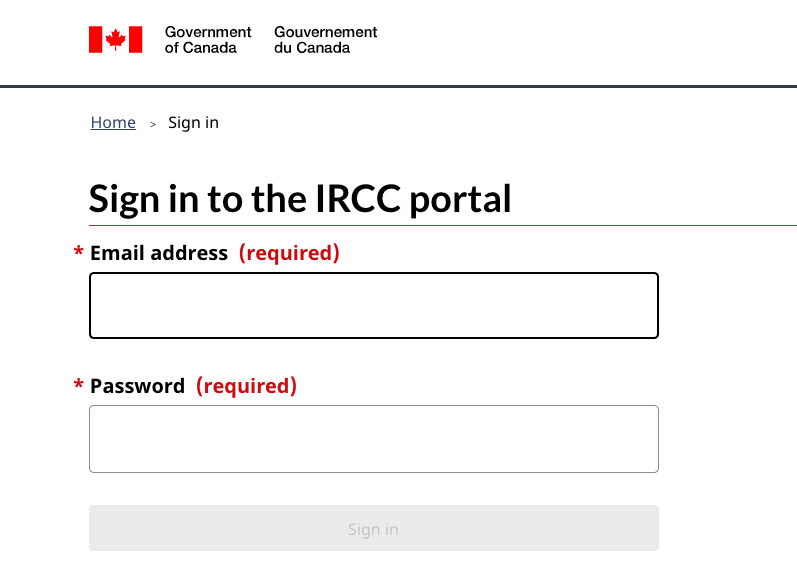
If you’re planning to work, study, visit, or immigrate to Canada, one of the first systems you’ll use is the Immigration, Refugees and Citizenship Canada (IRCC) Portal.
The IRCC Portal is Canada’s official online platform that allows eligible applicants to submit immigration applications, upload documents, receive updates, communicate with immigration officers, and manage many parts of their immigration journey.
Whether you’re applying for a work permit, permanent residence, study permit, visitor visa, or Canadian citizenship, understanding how the IRCC Portal works can help you avoid mistakes and complete your application more efficiently.
This comprehensive guide explains everything you need to know about the IRCC Portal in 2026, especially if you’re seeking jobs in Canada or planning to immigrate.
What is the IRCC Portal?
The IRCC Portal is the official online application system operated by Immigration, Refugees and Citizenship Canada (IRCC). It allows eligible applicants to:
- Apply for immigration programs
- Submit work permit applications
- Apply for permanent residence
- Upload supporting documents
- Pay government fees
- Track application status
- Receive official messages
- Update application information
The portal is available worldwide and is the primary method for submitting many Canadian immigration applications.
Insurance & Worker Protection Requirements
Before visa approval, many employer-sponsored programs require proof of valid health insurance coverage and worker protection compliance. Immigration authorities verify medical coverage eligibility before granting work authorization.
Depending on the destination country, foreign employees may also need workplace injury protection, employer liability coverage, and travel medical insurance during relocation.
- Mandatory health insurance for visa holders
- Workplace accident and employer liability protection
- Travel and relocation medical coverage
- Insurance verification during immigration processing
Confirm insurance compliance requirements before submitting a work permit application.
What Is IRCC?
Immigration, Refugees and Citizenship Canada (IRCC) is the federal department responsible for managing:
- Immigration
- Permanent Residence
- Citizenship
- Visitor Visas
- Study Permits
- Work Permits
- Refugee Protection
- Family Sponsorship
- Express Entry
- Provincial Nominee Programs
- Canadian Passports
IRCC evaluates applications and determines whether applicants meet the requirements established under Canadian immigration law.
What Can You Do in the IRCC Portal?
The portal allows eligible applicants to complete many immigration tasks online.
Apply for a Work Permit
Foreign workers can apply for:
- Employer-specific work permits
- Some open work permits
- Work permit extensions
- Work permit renewals (where eligible)
Apply for Permanent Residence
Many permanent residence programs are managed online, including:
- Express Entry
- Provincial Nominee Program (PNP)
- Atlantic Immigration Program
- Family Sponsorship
- Rural Community Immigration Pilot
- Francophone Community Immigration Pilot
Apply for a Study Permit
International students can:
- Submit study permit applications
- Upload acceptance letters
- Extend study permits
- Update documents
Apply for a Visitor Visa
The portal supports applications for:
- Temporary Resident Visa (TRV)
- Visitor Record (where applicable)
- Extensions of visitor status
Upload Supporting Documents
Applicants can upload:
- Passport
- Educational documents
- Employment letters
- Police certificates
- Medical examination results (when requested)
- Language test results
- Digital photographs
- Marriage or birth certificates (where applicable)
Pay Government Fees
The IRCC Portal allows applicants to pay eligible processing fees online using accepted payment methods.
Track Application Status
Applicants can:
- Monitor application progress
- Receive requests for additional documents
- View correspondence from IRCC
- Download official letters
- Check final decisions
Who Should Use the IRCC Portal?
The portal is commonly used by:
- Skilled workers
- International students
- Temporary foreign workers
- Family sponsorship applicants
- Visitors
- Permanent residence applicants
- Canadian citizenship applicants (for eligible online services)
IRCC Portal vs Express Entry
Many people confuse these two systems.
IRCC Portal
The IRCC Portal is the platform where many immigration applications are submitted and managed online.
Express Entry
Express Entry is an immigration selection system used to manage applications for certain economic immigration programs. Eligible candidates create a profile, receive a Comprehensive Ranking System (CRS) score, and may receive an Invitation to Apply (ITA). If invited, they submit their permanent residence application through IRCC’s online systems.
Documents You’ll Usually Need
Requirements vary by program, but common documents include:
- Valid passport
- Digital photograph
- Canadian-style résumé (for employment-related applications)
- Educational certificates
- Educational Credential Assessment (ECA), if required
- Language test results (IELTS, CELPIP, TEF, or TCF, where applicable)
- Employment reference letters
- Police certificates
- Medical examination results (when requested)
- Marriage certificate (if applicable)
- Birth certificates for dependent children (if applicable)
Always review the document checklist for your specific application before submitting.
How to Create an IRCC Portal Account
Step 1: Visit the Official IRCC Website
Access the official IRCC online services through the Government of Canada’s website.
Step 2: Create Your Account
Follow the instructions to create a secure account using the method available for your application type.
Choose strong security credentials and keep your recovery information up to date.
Step 3: Complete Your Profile
Provide accurate information, including:
- Personal details
- Contact information
- Passport details
- Immigration history (if applicable)
Step 4: Start Your Application
Choose the correct application category, such as:
- Work Permit
- Permanent Residence
- Study Permit
- Visitor Visa
Complete every section carefully before proceeding.
Step 5: Upload Documents
Ensure your documents are:
- Clear and readable
- Complete
- Valid
- In the required format
- Within the file size limits
Step 6: Pay Fees
Pay any required government processing fees before submitting your application.
Step 7: Submit Your Application
Review all information carefully before submission.
After submission, you’ll receive a confirmation through your online account.
How Long Does Processing Take?
Processing times vary depending on factors such as:
- Immigration program
- Country of residence
- Application completeness
- Background verification
- Medical examinations
- Application volume
IRCC publishes current processing time estimates online, but these are estimates and may change.
Common Reasons Applications Are Delayed
Applications may take longer if:
- Documents are missing.
- Forms are incomplete.
- Information is inconsistent.
- Additional background checks are required.
- Medical examinations are pending.
- Biometrics have not been completed (when required).
Tips for a Successful Application
- Read the official program requirements carefully.
- Use accurate and truthful information.
- Upload high-quality document scans.
- Keep copies of everything you submit.
- Respond promptly to IRCC requests.
- Check your online account regularly for updates.
- Ensure your passport remains valid throughout the application process.
Common Mistakes to Avoid
Many applicants experience delays because they:
- Upload incorrect documents.
- Miss submission deadlines.
- Use expired language test results.
- Enter inconsistent employment or travel histories.
- Forget to sign required declarations electronically.
- Submit applications before gathering all required documents.
Beware of Immigration Scams
Unfortunately, immigration fraud is common.
Protect yourself by remembering:
- IRCC does not guarantee approval.
- No legitimate employer can sell a work permit or permanent residence.
- Government fees are paid through official channels.
- Be cautious of emails or websites requesting payment outside official government processes.
Always verify immigration representatives and job offers before sharing personal information.
Frequently Asked Questions
Is the IRCC Portal free?
Creating an account is generally free. However, most immigration applications require government processing fees.
Can I apply for a Canadian work permit through the portal?
Yes. Many work permit applications are submitted online, although eligibility and application methods depend on your situation and the specific program.
Can I check my application status online?
Yes. Applicants can log into their account to view updates, messages, document requests, and decisions.
Can I update my application after submission?
If IRCC requests additional information, you can usually upload new documents through your account. Some changes, such as contact details, can also be updated depending on the application type.
Is the IRCC Portal secure?
The Government of Canada uses security measures to protect personal information. Users should also protect their accounts by using strong passwords, enabling any available security features, and avoiding public computers when accessing sensitive information.
Final Thoughts
The IRCC Portal is the central online gateway for many Canadian immigration applications. Whether you’re applying for a work permit, permanent residence, a study permit, or a visitor visa, learning how the system works can help you submit a complete application and reduce the risk of delays.
For job seekers, the portal becomes especially important after securing a qualifying Canadian job offer or meeting the requirements of an immigration program. While the system cannot guarantee approval, careful preparation, accurate documentation, and following official instructions will give you the best chance of a successful outcome.
As immigration policies and application procedures evolve, always rely on the official Government of Canada website for the latest requirements, forms, processing times, and program updates.